The Power of Media Content Marketing
In today’s digital landscape, media content marketing has emerged as a critical strategy for brands looking to engage with their audiences in meaningful ways. As consumers become increasingly savvy and selective about the content they consume, businesses must adapt by creating compelling and relevant media that captures attention and drives engagement.
Understanding Media Content Marketing
Media content marketing involves the creation and distribution of valuable, relevant, and consistent content to attract and retain a clearly defined audience. The ultimate goal is to drive profitable customer action by building trust and establishing authority within the industry. This approach encompasses various forms of media, including articles, videos, podcasts, infographics, and social media posts.
The Benefits of Media Content Marketing
- Increased Brand Awareness: By producing high-quality content that resonates with your target audience, you can significantly enhance your brand’s visibility and recognition.
- Audience Engagement: Engaging content encourages interactions such as likes, shares, comments, and discussions. This not only boosts your reach but also fosters a sense of community around your brand.
- Improved SEO: Regularly publishing fresh and relevant content can improve your search engine rankings. Search engines favour websites that consistently provide valuable information to users.
- Lead Generation: Effective media content can guide potential customers through the sales funnel by addressing their needs at each stage of their journey.
Key Strategies for Successful Media Content Marketing
To maximise the impact of media content marketing efforts, businesses should consider the following strategies:
Create High-Quality Content
The foundation of any successful media content marketing campaign is high-quality content. Ensure that your material is well-researched, informative, engaging, and tailored to meet the interests of your target audience.
Diversify Your Media Formats
Diversifying the types of media you use allows you to reach different segments of your audience. While some may prefer reading articles or blogs, others might engage more with video or audio formats such as podcasts.
Leverage Social Media Platforms
Social media platforms are invaluable tools for distributing your content widely. By sharing on platforms like Facebook, Instagram, Twitter, and LinkedIn, you can tap into vast networks of potential customers while encouraging user interaction.
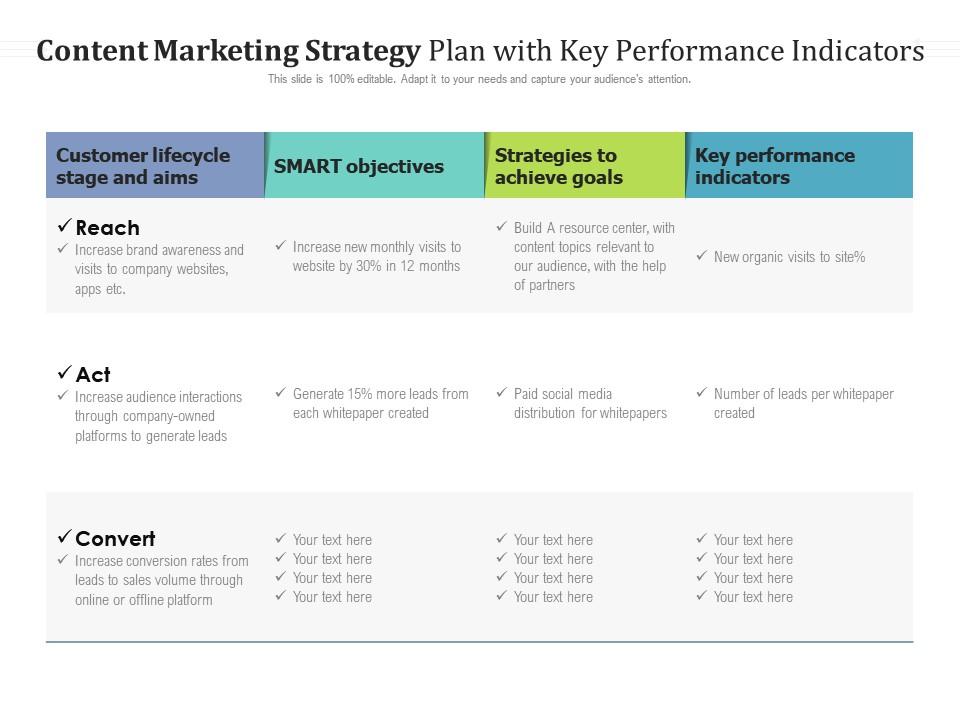
Analyse Performance Metrics
Regularly reviewing analytics data helps you understand which types of content resonate most with your audience. Use these insights to refine future strategies and improve overall campaign effectiveness.
The Future of Media Content Marketing
The evolution of technology continues to shape how brands approach media content marketing. Emerging trends such as artificial intelligence (AI), virtual reality (VR), augmented reality (AR), and interactive storytelling are opening new avenues for creativity in delivering engaging experiences.
As consumer expectations evolve alongside technological advancements it will be crucial for marketers across industries not only keep pace but also anticipate changes ahead ensuring they remain relevant competitive marketplace today tomorrow alike!
Ultimately embracing innovative approaches staying true core principles authenticity relevance quality will enable brands successfully navigate ever-changing world digital communications harness full potential offered modern-day opportunities presented through effective implementation strategic initiatives designed achieve desired outcomes long-term growth success both now future generations come!
8 Key Benefits of Media Content Marketing: Boosting Visibility, Engagement, and Trust
- Enhances brand visibility and recognition.
- Builds trust and credibility with the audience.
- Drives engagement through likes, shares, and comments.
- Improves search engine rankings with fresh content.
- Guides potential customers through the sales funnel.
- Creates a sense of community around the brand.
- Allows for targeted messaging to specific audience segments.
- Provides valuable insights into audience preferences and behaviours.
Challenges of Media Content Marketing: Navigating Saturation, Time Demands, and ROI Uncertainty
Enhances brand visibility and recognition.
One significant advantage of media content marketing is its ability to enhance brand visibility and recognition. By consistently creating and distributing valuable content that resonates with the target audience, businesses can increase their presence in the market and establish a strong brand identity. Through engaging storytelling and informative material, companies can capture the attention of consumers, build credibility, and differentiate themselves from competitors. This increased visibility not only attracts new customers but also strengthens loyalty among existing ones, ultimately contributing to long-term brand success.
Builds trust and credibility with the audience.
One of the key advantages of media content marketing is its ability to build trust and credibility with the audience. By consistently delivering valuable and relevant content that addresses the needs and interests of the target audience, businesses can establish themselves as authoritative sources within their industry. This trust not only fosters stronger connections with customers but also enhances brand reputation, ultimately leading to increased loyalty and long-term relationships.
Drives engagement through likes, shares, and comments.
One significant advantage of media content marketing is its ability to drive engagement through likes, shares, and comments. By creating compelling and relevant content that resonates with the target audience, businesses can encourage active participation from viewers. When users engage with content by liking, sharing, or commenting on it, they not only amplify the reach of the message but also foster a sense of community around the brand. This interaction not only enhances brand visibility but also builds trust and loyalty among consumers, ultimately leading to increased brand awareness and customer retention.
Improves search engine rankings with fresh content.
One significant advantage of media content marketing is its ability to enhance search engine rankings through the consistent publication of fresh and relevant content. Search engines value websites that regularly update their content with valuable information, which can lead to improved visibility and higher rankings in search results. By consistently producing and sharing engaging media content, businesses can attract more organic traffic to their websites, ultimately increasing their online presence and reach to a wider audience.
Guides potential customers through the sales funnel.
One significant advantage of media content marketing is its ability to guide potential customers through the sales funnel. By creating informative and engaging content that addresses the needs and interests of the target audience at each stage of their buyer’s journey, businesses can effectively nurture leads and move them closer to making a purchase decision. From raising awareness and generating interest to building desire and prompting action, strategic media content can influence consumer behaviour, build trust, and ultimately drive conversions. This tailored approach ensures that prospects receive the right information at the right time, increasing the likelihood of turning them into loyal customers.
Creates a sense of community around the brand.
One of the key advantages of media content marketing is its ability to cultivate a sense of community around the brand. By consistently delivering valuable and engaging content that resonates with the target audience, businesses can foster connections and interactions among customers who share common interests or values. This sense of community not only strengthens brand loyalty but also encourages active participation, discussions, and advocacy among members, ultimately creating a vibrant and loyal community that supports and promotes the brand organically.
Allows for targeted messaging to specific audience segments.
Media content marketing offers the distinct advantage of enabling businesses to deliver targeted messages to specific audience segments. By understanding the unique preferences, behaviours, and needs of different segments within their target market, companies can tailor their content to resonate with each group effectively. This personalised approach not only enhances engagement and relevance but also increases the likelihood of driving desired actions from the audience, such as conversions or brand loyalty. Through targeted messaging, businesses can establish stronger connections with their audience segments, ultimately leading to more meaningful interactions and long-term relationships.
Provides valuable insights into audience preferences and behaviours.
Media content marketing offers a significant advantage by providing valuable insights into audience preferences and behaviours. By analysing engagement metrics, such as click-through rates, time spent on content, and social media interactions, businesses can gain a deeper understanding of what resonates with their target audience. This data-driven approach enables companies to tailor their content strategies more effectively, creating personalised experiences that are more likely to engage and convert customers. By leveraging these insights, businesses can refine their messaging, adjust their tactics, and ultimately build stronger connections with their audience.
1. Saturation
In the realm of media content marketing, a significant drawback lies in the saturation of online content. The sheer volume of information available on the internet presents a formidable challenge for brands seeking to distinguish their media content from the crowd. With countless voices vying for attention, it becomes increasingly difficult to break through the noise and capture the audience’s interest. This oversaturation not only dilutes the impact of individual pieces but also necessitates innovative strategies and exceptional quality to ensure that content resonates with target audiences in a meaningful way.
2. Time-Intensive
One notable drawback of media content marketing is its time-intensive nature. Crafting compelling and top-notch media content demands a substantial investment of time and resources. The process involves meticulous planning, creative ideation, meticulous production, strategic distribution, and thorough analysis of performance metrics. This time commitment can pose a challenge for businesses aiming to maintain a consistent and engaging content strategy while juggling other operational demands. Balancing the need for quality with the constraints of time can be a delicate yet crucial aspect of successful media content marketing campaigns.
3. ROI Uncertainty
One significant drawback of media content marketing is the uncertainty surrounding return on investment (ROI). Evaluating the direct influence of media content on crucial performance metrics such as sales and brand awareness can pose a challenge due to the intricate nature of measuring these outcomes. This complexity often results in a lack of clarity regarding the actual ROI generated from media content marketing efforts, making it difficult for businesses to gauge the effectiveness and justify the allocation of resources towards this strategy.