Content SEO Marketing: How to Create Content That Gets Found
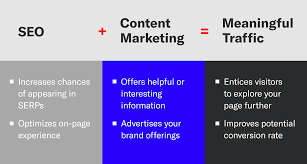
Content and search engine optimisation (SEO) work best when they are planned together. Useful content gives people a reason to visit, read and return to a website. SEO helps search engines understand that content and show it to people looking for relevant information.
Content SEO marketing brings these two disciplines together. Rather than publishing articles simply to fill a blog, it focuses on creating valuable pages that meet audience needs and can be discovered through organic search.
What Is Content SEO Marketing?
Content SEO marketing is the practice of planning, creating and improving content to attract relevant visitors from search engines. It combines the substance and usefulness of content marketing with the technical and strategic principles of SEO.
It can include blog articles, guides, landing pages, product descriptions, videos and other formats. The right format depends on what people are searching for and what will help them most.
Why Do Content and SEO Belong Together?
SEO can help content reach the right audience, but rankings alone do not make a page valuable. Visitors need clear, accurate information that answers their questions. Equally, excellent content may struggle to reach its audience if search engines cannot find, understand or index it.
A joined-up approach helps businesses to:
- Reach people who are actively looking for relevant information or services.
- Build trust by answering questions clearly and accurately.
- Grow sustainable organic traffic over time.
- Support customers at different stages of their decision-making journey.
- Strengthen a website’s visibility across related topics.
Start with Your Audience
Effective content begins with a clear understanding of the people it is intended to help. Consider their needs, concerns, level of knowledge and the language they use when searching online.
Keyword research can reveal common searches, but keywords should be treated as clues to audience needs—not as phrases to insert repeatedly. Look at search suggestions, customer questions, sales enquiries and conversations with your support team to identify useful topics.
It is also helpful to understand search intent: what someone hopes to achieve when they make a search. They may be looking for a quick explanation, comparing options, seeking a particular website or preparing to make a purchase. Content should match that purpose.
Create Content That Provides a Clear Answer
Once you have chosen a topic, decide what the reader should understand or be able to do after reading. Then structure the page around that goal.
Strong content is usually:
- Helpful: It answers the reader’s question or solves a genuine problem.
- Accurate: Claims are checked and information is kept up to date.
- Easy to follow: Clear headings, short paragraphs and straightforward language make it easier to scan.
- Distinctive: It offers useful experience, examples or insight rather than repeating what is already available.
- Well matched to intent: Its format and level of detail suit what the searcher is looking for.
Search engines aim to surface useful results. Writing naturally for people, while making the subject of a page clear, is a more sustainable approach than trying to manipulate rankings through keyword repetition.
Make Pages Easy to Find and Understand
On-page SEO helps both visitors and search engines make sense of a page. Give each page a descriptive title, write a concise meta description and use headings to organise the information. Include relevant terms where they fit naturally, particularly in the page title, main heading and introductory text.
Other practical steps include:
- Linking to relevant pages elsewhere on your website.
- Using descriptive link text so visitors know what to expect.
- Adding useful alternative text to meaningful images.
- Checking that pages work well on mobile devices.
- Making sure important content can be crawled and indexed.
- Compressing images and addressing issues that affect page speed.
Technical SEO matters because it helps search engines access and process a website. If there are problems with crawling, indexing, mobile usability or performance, even well-written content may not achieve its full potential.
Plan Content Around Topics
Rather than publishing isolated articles, plan a connected set of pages around the subjects your audience cares about. A detailed guide can link to related articles, service pages or practical resources. This gives readers a clearer route through your website and helps establish the relationship between its pages.
A content plan can also prevent duplication. Before creating a new page, check whether an existing page already serves the same purpose. It may be more effective to update and improve that page than to publish a competing version.
Measure What Matters
Rankings and organic traffic can offer useful insight, but they are not the only measures of success. Choose metrics that reflect the purpose of your content. These might include:
- Organic visits to important pages.
- Search impressions and click-through rates.
- Enquiries, bookings, purchases or other conversions.
- Engagement with useful resources or calls to action.
- Growth in visibility for relevant topics.
Use analytics and search performance data to identify what is working and where improvements may be needed. A page with strong visibility but few clicks might need a clearer title. A page that attracts visitors but does not lead to meaningful action may need better content, a more relevant next step or a closer match to search intent.
Keep Content Up to Date
Content SEO marketing is an ongoing process. Information can become outdated, search behaviour can change and competitors may publish stronger resources. Review important pages regularly, check facts and links, and update them where there is a clear benefit to readers.
Refreshing content should involve genuine improvements—not simply changing a date. Add new information, clarify confusing sections, remove outdated claims and improve the page’s structure where needed.
Common Mistakes to Avoid
- Writing for keywords instead of people: Repetitive or awkward copy can damage the reader’s experience.
- Publishing without a purpose: Every page should meet a clear audience need and support a wider content plan.
- Chasing traffic alone: Large numbers of visitors are not useful if they are not relevant to your goals.
- Ignoring technical issues: Search engines and visitors need a website that is accessible, usable and dependable.
- Expecting immediate results: Organic visibility often takes time, consistency and ongoing improvement.
Bringing It All Together
Successful content SEO marketing is not about choosing between writing for people and optimising for search. It brings both together: understand what your audience needs, create content that genuinely helps, make it easy to find and measure its impact.
With a clear strategy and regular attention, content can do more than attract clicks. It can build trust, answer important questions and help people take the next step with confidence.
9 Essential Tips for Effective Content SEO Marketing
- Research search intent before choosing topics.
- Use clear, descriptive page titles.
- Include target keywords naturally.
- Write useful, original content.
- Structure pages with helpful headings.
- Add relevant internal links.
- Optimise images with descriptive alt text.
- Keep content accurate and up to date.
- Measure rankings, traffic and engagement.
Research search intent before choosing topics.
Before choosing a topic, research the intent behind the searches your audience makes. Are people looking for a quick answer, a detailed guide, product comparisons or a service provider? Understanding what they hope to find helps you create content that matches their needs, uses the right format and offers a genuinely useful next step. Search suggestions, related results and the pages already ranking can all provide clues to intent.
Use clear, descriptive page titles.
Use clear, descriptive page titles to tell readers and search engines what each page is about. Put the main topic near the beginning, keep the wording concise and make every title unique. A relevant title can help people decide whether your page matches their search, while avoiding vague or repetitive titles makes your website easier to navigate.
Include target keywords naturally.
Include your target keywords naturally by using them where they help explain the topic, such as in the page title, main heading and relevant subheadings. Avoid forcing keywords into every sentence; clear, helpful writing is more valuable to readers and makes your content easier to understand.
Write useful, original content.
Write useful, original content that gives readers something more than a reworded version of what they can find elsewhere. Start by understanding your audience’s questions, then answer them clearly, accurately and in enough detail to help. Add genuine expertise, practical examples or a fresh perspective where relevant, and keep the writing easy to follow. When content is created for people first, it is more likely to earn trust, encourage engagement and perform well in search over time.
Structure pages with helpful headings.
Structure Pages with Helpful Headings
Helpful headings make your content easier to scan and understand, giving readers a clear sense of what each section covers. Organise the page with one clear main heading, followed by descriptive subheadings that reflect the questions or topics your audience cares about. A logical heading structure improves readability and helps search engines understand how the information fits together. Keep headings concise, specific and natural, rather than forcing in keywords where they do not belong.
Add relevant internal links.
Add relevant internal links to guide readers towards other useful pages on your website, such as related articles, service pages or practical resources. These links help visitors explore your content and give search engines a clearer understanding of how your pages are connected. Use descriptive link text that explains what the destination page is about, and only link where it adds genuine value to the reader.
Optimise images with descriptive alt text.
Optimise images by adding concise, descriptive alt text that explains what each meaningful image shows and how it relates to the page. This helps people using screen readers understand visual content and gives search engines useful context. Keep the wording natural and specific, and avoid cramming in keywords. For decorative images that add no useful information, use empty alt text so assistive technology can skip them.
Keep content accurate and up to date.
Keeping content accurate and up to date helps maintain readers’ trust and ensures your pages continue to offer useful information. Review important content regularly, check facts, links, statistics and recommendations, and update anything that has changed. Make improvements that genuinely benefit the reader rather than simply changing the publication date.
Measure rankings, traffic and engagement.
Measure rankings, traffic and engagement to understand whether your content SEO marketing is working. Rankings show how visible your pages are in search results, while organic traffic reveals whether people are clicking through. Engagement metrics—such as time on page, scroll depth and conversions—can indicate whether visitors find the content useful and take the next step. Review these measures together, rather than relying on a single figure, and use the insights to improve pages over time.