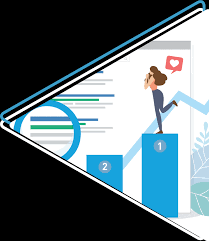
Website SEO Marketing: A Practical Guide to Growing Your Online Visibility
A well-designed website is an important start, but people need to be able to find it. Website SEO marketing combines search engine optimisation (SEO) with broader digital marketing to help a site appear in relevant search results, attract the right visitors and encourage them to take action.
SEO is not a quick fix or a guarantee of a particular ranking. It is an ongoing process of making a website useful, accessible and easy for both people and search engines to understand. When it is supported by a clear marketing strategy, SEO can become a valuable source of sustained organic traffic.
What is website SEO marketing?
Website SEO marketing is the practice of improving a website’s visibility in unpaid search results while aligning its content with the needs of its audience. It includes technical improvements, content planning, on-page optimisation and the development of a positive reputation across the web.
Unlike paid search advertising, organic SEO does not involve paying for each click. However, it does require investment in research, content, development and regular maintenance. The aim is to attract visitors who are actively looking for information, products or services relevant to the website.
Start with your audience and search intent
Effective SEO begins with understanding what potential visitors want to find. Keyword research can reveal the phrases people use, but the words themselves are only part of the picture. It is also important to understand the intent behind a search.
- Informational searches: The visitor wants an explanation, answer or guide.
- Commercial searches: The visitor is comparing options before making a decision.
- Transactional searches: The visitor is ready to buy, book or make an enquiry.
- Navigational searches: The visitor is looking for a particular organisation or website.
Creating content that matches this intent makes a page more relevant and useful. A detailed guide, for example, may suit an informational search, while a clear service page may be more appropriate for someone ready to contact a provider.
Build a technically sound website
Search engines need to discover and understand a site’s pages. A sound technical foundation helps with this and also supports a better visitor experience. Important areas to review include:
- Mobile usability: Pages should work well on phones and tablets as well as desktop computers.
- Page speed: Efficient code, appropriately sized images and reliable hosting can help pages load promptly.
- Secure browsing: HTTPS helps protect the connection between a website and its visitors.
- Clear site structure: Logical navigation and internal links make it easier to move between related pages.
- Indexing: Check that important pages can be crawled and included in search results.
- Accessibility: Clear headings, descriptive links and alternative text for meaningful images can make content easier to use.
Create useful, well-structured content
Content should answer real questions and provide genuine value. Rather than repeating keywords unnaturally, use relevant language in a way that feels clear and natural. Each page should have a defined purpose and offer information that is accurate, easy to follow and appropriate for its audience.
Use descriptive page titles and headings to explain what each page covers. Break longer articles into sections, link to related pages where helpful, and keep important information up to date. Strong content can support SEO, but it also helps visitors understand a business and decide what to do next.
Connect SEO with the wider marketing strategy
SEO works best when it supports the organisation’s wider goals. Search insights can inform content planning, while email, social media and public relations can help useful resources reach more people. A consistent message across channels also makes it easier for audiences to recognise and trust a brand.
For local organisations, accurate business details across the website and relevant online listings can help people find nearby services. Location pages should provide specific, useful information rather than simply repeating place names.
Measure results and keep improving
Rankings alone do not show whether SEO is delivering meaningful value. Monitor a range of measures, such as organic visits, search impressions, relevant enquiries, online sales and engagement with key pages. Analytics and search performance tools can help identify what is working and where visitors may be encountering problems.
Review results regularly, but allow enough time for changes to take effect. Search performance can vary due to competition, algorithm updates, seasonality and changes in audience behaviour. Use the evidence to refine the site rather than relying on assumptions.
A sustainable approach to website SEO marketing
Successful website SEO marketing is built on a clear understanding of the audience, a dependable technical foundation and content that deserves to be found. By combining these elements with thoughtful measurement and ongoing improvement, organisations can make their websites more visible, useful and effective over time.
Top 5 Essential Tips for Effective Website SEO Marketing
- Use clear, descriptive page titles.
- Research keywords your audience uses.
- Write helpful, original content.
- Make pages fast and mobile-friendly.
- Earn links from trusted websites.
Use clear, descriptive page titles.
Use clear, descriptive page titles to help visitors and search engines understand what each page is about. Keep each title specific to the page, put the most important information near the beginning and avoid vague wording or unnecessary repetition. A well-written title can make your page stand out in search results and encourage the right people to click.
Research keywords your audience uses.
Researching the keywords your audience uses helps you understand how they search for information, products or services like yours. Use keyword research tools, search suggestions and customer questions to identify relevant phrases, then consider the intent behind each search. Choose terms that closely match your content and use them naturally in page titles, headings and copy. This helps search engines understand your pages while making the content more useful and relevant to visitors.
Write helpful, original content.
Write helpful, original content that answers your audience’s questions and offers genuine value. Focus on what readers need to know, rather than repeating keywords or rephrasing material from other websites. Clear, accurate and well-organised content can build trust, encourage visitors to stay and explore, and help search engines understand the purpose of your pages. Review and update important information regularly so it remains useful and relevant.
Make pages fast and mobile-friendly.
Make your pages fast and mobile-friendly to give visitors a better experience and help them find what they need without delay. Compress images, reduce unnecessary scripts and check that your site works smoothly on smartphones and tablets, with readable text, clear navigation and buttons that are easy to tap. A responsive, quick-loading website is easier to use and can support your wider SEO efforts.
Earn links from trusted websites.
Earn links from trusted websites by creating useful, original content that others genuinely want to reference. Relevant links from reputable organisations can help visitors discover your site and strengthen its credibility in search engines’ eyes. Focus on building relationships, contributing expert insights and offering genuinely helpful resources, rather than buying links or using schemes that may harm your search performance.