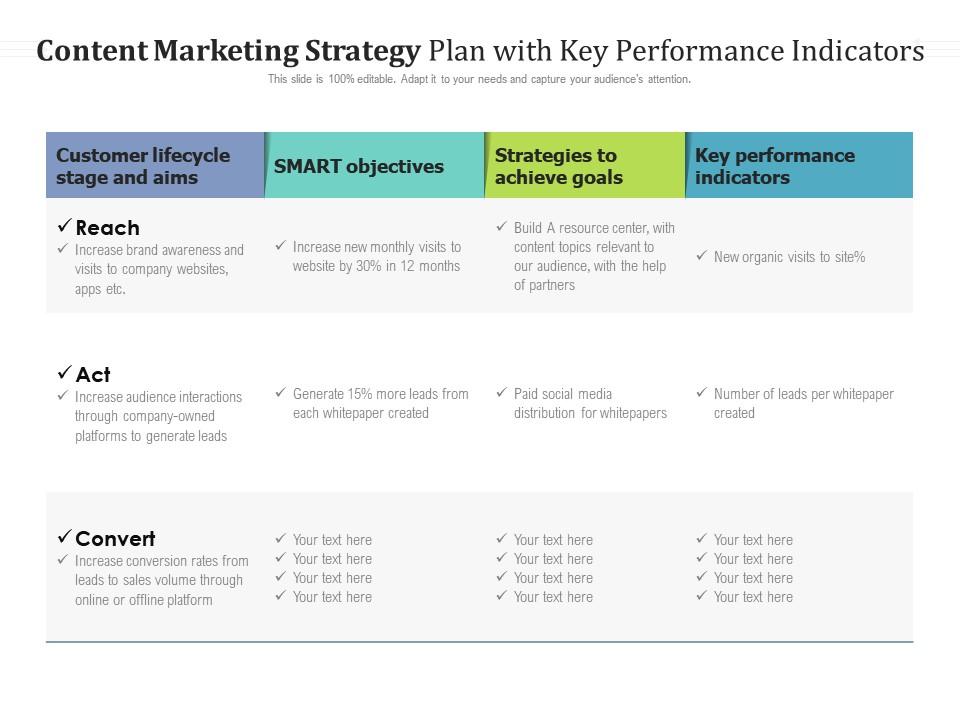
The Power of Content Marketing: Driving Engagement and Growth
In today’s digital age, content marketing has emerged as a powerful tool for businesses to connect with their target audience, build brand awareness, and drive growth. Content marketing involves creating and distributing valuable, relevant, and consistent content to attract and retain a clearly defined audience – ultimately, to drive profitable customer action.
Building Trust and Credibility
One of the key benefits of content marketing is its ability to build trust and credibility with your audience. By providing valuable information, insights, and solutions to their problems through engaging content such as blog posts, articles, videos, and social media posts, you position your brand as an authority in your industry. This helps establish a strong connection with your audience based on trust.
Driving Engagement and Brand Awareness
Content marketing is an effective way to engage with your target audience on multiple platforms. By creating compelling content that resonates with your audience’s interests and needs, you can increase engagement levels, encourage social sharing, and expand your brand’s reach. This increased visibility helps boost brand awareness and recognition among potential customers.
Generating Leads and Conversions
Quality content can also serve as a powerful lead generation tool. By offering valuable resources such as whitepapers, e-books, webinars, or email newsletters in exchange for contact information from prospects, you can capture leads and nurture them through the sales funnel. Well-crafted content can educate prospects about your products or services, address their pain points, and ultimately drive conversions.
Measuring Success Through Analytics
An essential aspect of content marketing is tracking the performance of your content through analytics. By monitoring key metrics such as website traffic, engagement rates, conversion rates, and social media metrics, you can gain valuable insights into what resonates with your audience and adjust your strategy accordingly. This data-driven approach allows you to continuously improve the effectiveness of your content marketing efforts.
Conclusion
Content marketing plays a crucial role in today’s digital landscape by helping businesses connect with their audience in meaningful ways. By creating valuable content that educates, entertains, or inspires your target audience while aligning with your brand values and objectives, you can build long-lasting relationships that drive engagement, loyalty, and growth.
Maximising Brand Impact: Six Key Advantages of Content Marketing
- 1. Enhances brand visibility and recognition.
- 2. Builds trust and credibility with the audience.
- 3. Drives organic traffic to the website.
- 4. Facilitates lead generation and customer acquisition.
- 5. Supports SEO efforts by improving search engine rankings.
- 6. Enables targeted communication with specific audience segments.
Seven Challenges of Content Marketing: Navigating Time, Cost, and Quality Constraints
- 1. Time-Consuming
- 2. Content Saturation
- 3. Costly
- 4. Uncertain ROI
- 5. Requires Consistency
- 6. Competition
- 7. Content Quality Control
1. Enhances brand visibility and recognition.
Content marketing content plays a pivotal role in enhancing brand visibility and recognition by strategically positioning the brand in front of the target audience through valuable and engaging content. By consistently creating content that resonates with the audience’s interests and needs, businesses can increase their online presence, attract new customers, and strengthen brand awareness. This heightened visibility not only helps in standing out amidst competitors but also establishes a strong brand identity that is easily recognisable and memorable to consumers.
2. Builds trust and credibility with the audience.
Building trust and credibility with the audience is a fundamental advantage of content marketing. By consistently providing valuable and relevant content that addresses the audience’s needs and interests, businesses can establish themselves as reliable sources of information within their industry. This trust-building process not only fosters a deeper connection with the audience but also positions the brand as an authority, ultimately enhancing its reputation and credibility in the eyes of consumers.
3. Drives organic traffic to the website.
One significant advantage of content marketing is its ability to drive organic traffic to the website. By consistently producing high-quality and relevant content that aligns with search engine algorithms, businesses can improve their website’s visibility in search engine results pages. This organic traffic not only increases the chances of reaching a broader audience but also enhances the website’s credibility and authority in the eyes of both users and search engines. Ultimately, by attracting more organic traffic through content marketing efforts, businesses can boost their online presence and attract potential customers who are actively searching for products or services related to their industry.
4. Facilitates lead generation and customer acquisition.
Content marketing content serves as a powerful tool in facilitating lead generation and customer acquisition for businesses. By creating valuable and relevant content that addresses the needs and interests of potential customers, companies can attract and engage their target audience effectively. Through strategic content distribution across various channels, businesses can capture leads by offering valuable resources in exchange for contact information, nurturing these leads through the sales funnel, and ultimately converting them into loyal customers. This process not only helps in acquiring new customers but also in building long-term relationships based on trust and value.
5. Supports SEO efforts by improving search engine rankings.
Content marketing plays a vital role in supporting SEO efforts by enhancing search engine rankings. By creating high-quality and relevant content that incorporates strategic keywords and provides valuable information to users, businesses can improve their visibility in search engine results pages. Search engines like Google value fresh, informative content, and by consistently publishing such content, businesses can increase their chances of ranking higher for relevant search queries. This synergy between content marketing and SEO not only drives organic traffic to websites but also establishes credibility and authority in the eyes of both search engines and users.
6. Enables targeted communication with specific audience segments.
Content marketing enables targeted communication with specific audience segments, allowing businesses to tailor their messaging and content to resonate with the unique interests, needs, and preferences of different groups within their target audience. By creating personalised and relevant content for each segment, companies can build stronger connections, increase engagement levels, and drive conversions more effectively. This targeted approach ensures that the right message reaches the right people at the right time, leading to higher levels of audience satisfaction and brand loyalty.
1. Time-Consuming
Creating high-quality content is undeniably time-consuming, presenting a significant challenge for businesses operating with limited resources. The process of researching, writing, editing, and refining content demands a considerable investment of time and effort to ensure that the final output meets the desired standards. This can strain the resources of smaller businesses that may not have dedicated teams or the capacity to consistently produce engaging and valuable content. As a result, the time-intensive nature of content creation can pose a barrier for businesses looking to leverage content marketing effectively as part of their overall strategy.
2. Content Saturation
In the realm of content marketing, a significant challenge that brands face is content saturation. The vast digital landscape is overflowing with an abundance of content, ranging from blog posts and videos to social media updates. This saturation makes it increasingly arduous for brands to distinguish themselves and capture the fleeting attention of their target audience. Standing out amidst the sea of content noise requires strategic planning, creativity, and a deep understanding of what resonates with consumers in order to cut through the clutter and make a lasting impact.
3. Costly
Developing a comprehensive content marketing strategy and producing engaging content can be a costly endeavour, particularly for small businesses with limited resources. From conducting market research to creating high-quality content across various platforms, the expenses can quickly add up. Small businesses may struggle to allocate sufficient budget towards content creation and promotion, hindering their ability to compete effectively in the digital landscape. The financial investment required for successful content marketing can pose a significant challenge for businesses operating on tight budgets.
4. Uncertain ROI
Measuring the return on investment of content marketing efforts can present a significant challenge due to the uncertainty surrounding the outcomes. Unlike some marketing strategies that yield immediate and easily quantifiable results, the impact of content marketing may take time to manifest and prove its effectiveness. This uncertainty in determining the ROI can make it difficult for businesses to assess the true value of their content marketing initiatives and allocate resources optimally.
5. Requires Consistency
One significant challenge of content marketing is the demand for consistency. To effectively engage with the audience and stay relevant, businesses need to maintain a regular publishing schedule and adapt to evolving content creation trends. This task can be both time-consuming and demanding, requiring constant monitoring and adjustment to ensure that the content remains engaging and resonates with the target audience. Failure to uphold consistency in content production may result in decreased audience engagement and diminished brand visibility in a competitive digital landscape.
6. Competition
In the realm of content marketing, one notable challenge is the fierce competition among brands within the same industry vying for audience engagement. Standing out and capturing the attention of target audiences amidst a crowded digital landscape can be a daunting task. With competitors constantly producing their own compelling content to attract and retain customers, brands must strategise creatively and innovatively to differentiate themselves and carve out their own unique space in the market. This intense competition underscores the importance of developing distinctive, high-quality content that resonates with audiences on a deeper level to effectively cut through the noise and establish a lasting connection with consumers.
7. Content Quality Control
Ensuring consistent content quality control is a significant challenge in content marketing. It demands meticulous attention to detail to guarantee that all content reflects the brand’s values, upholds high-quality standards, and effectively engages the intended audience. Without rigorous oversight and management, there is a risk of diluting the brand message, losing audience interest, or damaging brand reputation. Maintaining a stringent quality control process is essential to uphold brand integrity and deliver content that consistently resonates with the target audience.