The Importance of a Well-Designed Website
In today’s digital age, a website is often the first point of contact between a business and its potential customers. A well-designed website is crucial for creating a positive first impression and engaging visitors effectively. Here are some key reasons why having a well-designed website is essential:
Professionalism
A professionally designed website conveys trust and credibility to visitors. It reflects the quality of your products or services and demonstrates that you take your online presence seriously.
User Experience
A well-designed website focuses on providing an excellent user experience. Easy navigation, clear layout, and fast loading times contribute to a positive user experience, keeping visitors engaged and encouraging them to explore further.
Brand Identity
Your website is an extension of your brand identity. The design elements, colour scheme, and overall aesthetics should align with your brand values and messaging to create a cohesive brand image across all touchpoints.
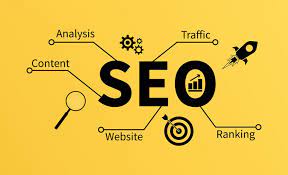
Search Engine Optimization (SEO)
A well-designed website is more likely to rank higher in search engine results pages. Optimising your site for SEO with relevant keywords, meta tags, and high-quality content can increase visibility and attract organic traffic.
Mobile Responsiveness
In the era of mobile devices, having a responsive website design is essential. A responsive site adapts to different screen sizes and devices, ensuring that users have a seamless experience regardless of how they access your site.
Conversion Rates
A well-designed website with clear calls-to-action can significantly improve conversion rates. Whether it’s making a purchase, signing up for a newsletter, or contacting you for more information, a user-friendly design can guide visitors towards taking desired actions.
In conclusion, investing in a well-designed website is not just about aesthetics; it’s about creating a valuable online asset that helps you achieve your business goals effectively. By prioritising design principles that enhance user experience and reflect your brand identity, you can set yourself apart in the competitive digital landscape.
Eight Key Advantages of Having a Website for Your Business
- Enhances brand visibility and credibility.
- 24/7 accessibility to information for users.
- Global reach, breaking geographical barriers.
- Cost-effective marketing tool compared to traditional methods.
- Facilitates direct communication with customers through contact forms or live chat.
- Ability to showcase products or services in a visually appealing manner.
- Opportunity to gather valuable data and insights through analytics tools.
- Adaptable and scalable platform that can grow with your business.
Challenges of Website Management: Maintenance, Cost, and Competition
Enhances brand visibility and credibility.
Having a well-designed website significantly enhances brand visibility and credibility. A professionally crafted website not only makes your brand more visible to potential customers but also instils a sense of trust and reliability. By showcasing your products or services in an appealing and user-friendly manner, you can establish a strong online presence that reinforces your brand’s credibility and distinguishes it from competitors. A visually engaging website that accurately represents your brand values helps build trust with visitors, ultimately leading to increased brand recognition and customer loyalty.
24/7 accessibility to information for users.
One significant advantage of a website is its 24/7 accessibility to information for users. Unlike physical stores or offices with limited operating hours, a website allows individuals to access information, products, and services at any time of the day or night. This round-the-clock availability caters to the diverse needs and schedules of users, ensuring that they can find relevant details or make transactions conveniently, even outside traditional business hours. The accessibility offered by a website enhances user experience and fosters customer satisfaction by providing instant access to valuable resources whenever needed.
Global reach, breaking geographical barriers.
One significant advantage of having a website is its ability to provide global reach and break geographical barriers. By establishing an online presence, businesses can transcend physical boundaries and connect with potential customers worldwide. This opens up new opportunities for expansion and growth, allowing companies to reach audiences in different countries or regions without the limitations of traditional brick-and-mortar locations. Embracing the digital landscape through a well-designed website enables organisations to tap into diverse markets and establish a truly international presence, fostering global connections and driving business success on a global scale.
Cost-effective marketing tool compared to traditional methods.
A website serves as a cost-effective marketing tool when compared to traditional methods. With a well-designed website, businesses can reach a global audience at a fraction of the cost of traditional marketing strategies such as print ads or television commercials. By leveraging search engine optimisation (SEO) techniques and online advertising, businesses can target specific demographics and measure the effectiveness of their campaigns in real time, allowing for more efficient use of resources and a higher return on investment. This digital approach not only reduces marketing expenses but also provides a platform for continuous engagement with customers, ultimately driving sales and brand growth.
Facilitates direct communication with customers through contact forms or live chat.
One significant advantage of a well-designed website is its ability to facilitate direct communication with customers through contact forms or live chat features. By offering these communication channels, businesses can provide a convenient and immediate way for customers to reach out with inquiries, feedback, or support needs. This direct interaction not only enhances customer satisfaction by offering real-time assistance but also allows businesses to build stronger relationships with their audience, leading to increased trust and loyalty.
Ability to showcase products or services in a visually appealing manner.
One of the key advantages of a well-designed website is its ability to showcase products or services in a visually appealing manner. By utilising high-quality images, engaging videos, and sleek design elements, a website can effectively highlight the features and benefits of offerings in an attractive and compelling way. This visual presentation not only captures the attention of visitors but also enhances their understanding and appreciation of the products or services being promoted, ultimately influencing their purchasing decisions positively.
Opportunity to gather valuable data and insights through analytics tools.
One significant advantage of having a website is the opportunity it provides to gather valuable data and insights through analytics tools. By leveraging these tools, businesses can track user behaviour, monitor website traffic, and gain deep insights into visitor preferences and interactions. This data can be used to make informed decisions, refine marketing strategies, improve user experience, and ultimately enhance overall performance. Analytics tools empower businesses to understand their audience better, identify trends, measure the effectiveness of campaigns, and continuously optimise their online presence for maximum impact.
Adaptable and scalable platform that can grow with your business.
A significant advantage of having a well-designed website is its adaptability and scalability, allowing it to evolve alongside your business. As your company expands and your needs change, a flexible website platform can easily accommodate new features, content updates, and increased traffic without compromising performance. This scalability ensures that your online presence remains aligned with the growth of your business, providing a solid foundation for future development and success.
Maintenance
Maintenance is a significant drawback of websites, as they demand consistent updates, maintenance tasks, and security checks to uphold peak performance and shield against cyber threats. Neglecting these essential maintenance activities can leave a website vulnerable to security breaches and malfunctions, potentially jeopardising the user experience and damaging the reputation of the business or organisation associated with the site. The ongoing need for maintenance can be time-consuming and costly, requiring dedicated resources to keep the website running smoothly and securely over time.
Cost
One significant drawback of having a website is the associated costs involved in its development and maintenance. Building and sustaining a professional website demands financial investment for various aspects such as design, hosting, domain registration, and continuous support. These expenses can accumulate over time, especially for businesses with limited budgets or those seeking to allocate resources strategically. The cost factor can be a barrier for some individuals or organisations looking to establish a robust online presence but may face challenges in managing the financial implications effectively.
Competition
In the vast digital landscape, one significant con of having a website is the intense competition it faces. With millions of websites vying for attention online, standing out from the crowd and attracting visitors can be a daunting task. This fierce competition necessitates ongoing and strategic efforts in search engine optimisation (SEO) and digital marketing to ensure visibility and relevance in the ever-evolving online environment. Without a well-thought-out strategy to differentiate and promote your website, it can easily get lost in the sea of competing sites, hindering your ability to reach your target audience effectively.