The Importance of Website Optimization Services
In today’s digital age, having a strong online presence is crucial for businesses to succeed. One key aspect of this is ensuring that your website is optimised to its full potential. Website optimization services play a vital role in enhancing the performance, user experience, and visibility of your website.
What are Website Optimization Services?
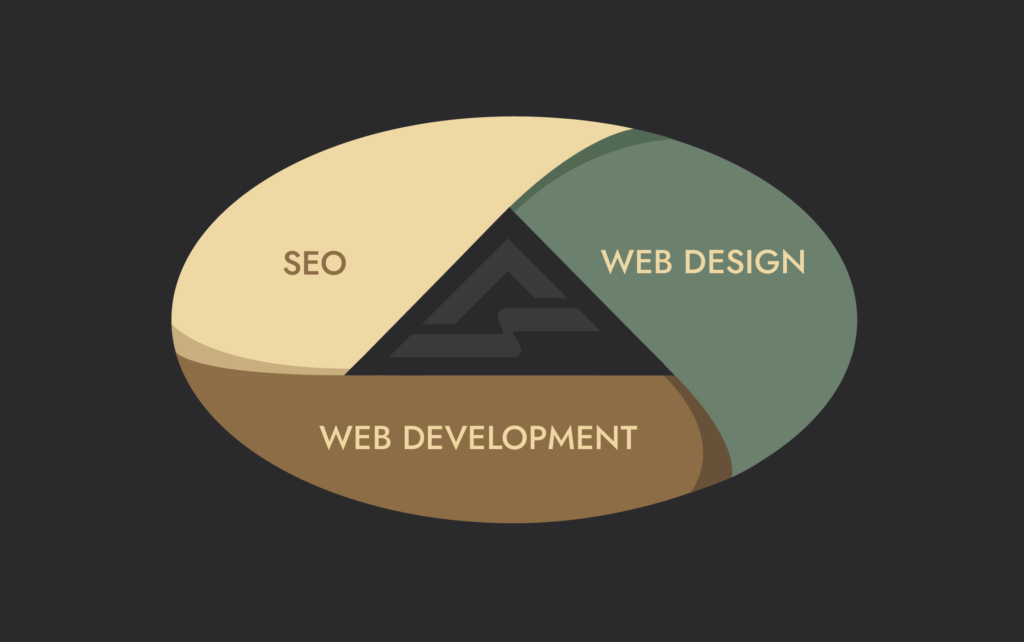
Website optimization services encompass a range of techniques and strategies aimed at improving various aspects of your website. This includes enhancing site speed, mobile responsiveness, user interface design, search engine optimisation (SEO), and overall user experience.
The Benefits of Website Optimization
By investing in website optimization services, businesses can reap numerous benefits:
- Improved User Experience: A well-optimised website ensures that visitors can navigate easily, find information quickly, and have an enjoyable experience.
- Enhanced Search Engine Visibility: Optimising your website for search engines increases the chances of ranking higher in search results, driving more organic traffic to your site.
- Higher Conversion Rates: A user-friendly and fast-loading website is more likely to convert visitors into customers or leads.
- Better Brand Reputation: A professionally optimised website reflects positively on your brand and instils trust in your audience.
The Role of Professionals in Website Optimization
While there are many DIY tools available for basic website optimisation, hiring professional website optimization services can take your online presence to the next level. Experienced professionals have the expertise and tools to conduct in-depth analyses, implement advanced strategies, and continuously monitor and improve your website’s performance.
In Conclusion
Website optimization services are essential for businesses looking to stand out in the competitive online landscape. By investing in these services, you can enhance user experience, boost visibility, drive conversions, and ultimately achieve greater success online.
Essential Tips for Optimising Your Website: Enhancing Performance and User Experience
- Regularly update your website content to keep it fresh and engaging.
- Optimize your images by compressing them for faster loading times.
- Ensure your website is mobile-friendly for a better user experience on all devices.
- Improve page loading speed by minimizing server response time and using caching techniques.
- Utilize SEO best practices such as keyword optimization and meta tags to improve search engine rankings.
- Make use of analytics tools to track website performance and user behaviour for insights on optimization opportunities.
- Implement HTTPS security protocol to ensure data protection and build trust with users.
- Optimize your website’s navigation for easy access to all pages and information.
- Test different elements of your website, such as CTAs and forms, to continually improve conversion rates.
Regularly update your website content to keep it fresh and engaging.
To maximise the effectiveness of your website, it is crucial to regularly update your content to ensure it remains fresh, relevant, and engaging for your audience. By frequently refreshing your website with new information, articles, or visuals, you not only cater to the evolving needs of your visitors but also improve your search engine rankings. Keeping your content up-to-date demonstrates that your website is active and trustworthy, encouraging repeat visits and enhancing user engagement.
Optimize your images by compressing them for faster loading times.
Optimising your website’s images by compressing them is a valuable tip to enhance loading times. By reducing the file size of images without compromising quality, you can significantly improve your website’s performance. Faster loading times not only enhance user experience but also contribute to better search engine rankings. Compressed images ensure that your web pages load quickly and efficiently, keeping visitors engaged and satisfied with their browsing experience.
Ensure your website is mobile-friendly for a better user experience on all devices.
Ensuring that your website is mobile-friendly is a crucial tip for effective website optimization services. With the increasing use of smartphones and tablets, it is essential to provide a seamless user experience across all devices. A mobile-friendly website not only improves accessibility and usability but also enhances engagement and satisfaction for visitors. By prioritising mobile responsiveness, businesses can cater to a wider audience and stay ahead in the digital realm.
Improve page loading speed by minimizing server response time and using caching techniques.
To enhance the performance of your website, a crucial tip is to focus on improving page loading speed. This can be achieved by minimising server response time and implementing effective caching techniques. By reducing the time it takes for your server to respond to user requests and utilising caching to store frequently accessed data, you can significantly enhance the overall user experience. Faster loading times not only improve user satisfaction but also contribute to better search engine rankings, ultimately leading to increased traffic and engagement on your website.
Utilize SEO best practices such as keyword optimization and meta tags to improve search engine rankings.
To enhance your website’s visibility and attract more organic traffic, it is advisable to incorporate SEO best practices into your strategy. By utilising techniques like keyword optimisation and meta tags, you can significantly improve your search engine rankings. Keywords help search engines understand the relevance of your content to users’ queries, while meta tags provide concise descriptions that entice users to click on your link in search results. Implementing these practices effectively can boost your website’s online presence and drive more qualified traffic to your site.
Make use of analytics tools to track website performance and user behaviour for insights on optimization opportunities.
To maximise the effectiveness of website optimization services, it is crucial to utilise analytics tools to monitor website performance and user behaviour. By analysing data such as page views, bounce rates, and user interactions, businesses can gain valuable insights into areas that require improvement. These insights help in identifying optimization opportunities to enhance user experience, increase engagement, and ultimately drive better results for the website.
Implement HTTPS security protocol to ensure data protection and build trust with users.
Implementing the HTTPS security protocol on your website is a crucial step in ensuring data protection and establishing trust with users. By encrypting data transmitted between the user’s browser and your website, HTTPS safeguards sensitive information such as login credentials, payment details, and personal data from potential cyber threats. Not only does this enhance the security of your website, but it also signals to visitors that their privacy is a top priority, fostering a sense of trust and credibility in your online presence.
Optimize your website’s navigation for easy access to all pages and information.
Optimising your website’s navigation is a crucial tip for enhancing user experience and ensuring easy access to all pages and information. By organising your site’s menu structure logically and intuitively, visitors can navigate seamlessly between different sections, find what they are looking for quickly, and stay engaged with your content. Clear and user-friendly navigation not only improves usability but also contributes to better search engine visibility, as search engines favour websites with well-structured navigation. Implementing this tip can significantly enhance the overall performance and effectiveness of your website.
Test different elements of your website, such as CTAs and forms, to continually improve conversion rates.
To enhance the effectiveness of your website and maximise conversion rates, it is advisable to regularly test various elements, such as Call-to-Action (CTA) buttons and forms. By conducting tests and analysing the results, you can identify what resonates best with your audience and make informed decisions to optimise these elements for better performance. Continuous testing and refinement of key website components are essential strategies in improving user engagement and ultimately driving more conversions.