The Power of Digital Marketing Content Strategy
In today’s digital age, where online presence is crucial for businesses to thrive, having a well-defined digital marketing content strategy is paramount. Content has become the cornerstone of successful marketing campaigns, serving as a bridge between brands and their target audience. Let’s delve into the importance and key elements of a robust digital marketing content strategy.
Understanding Digital Marketing Content Strategy
A digital marketing content strategy encompasses the planning, creation, distribution, and management of content across various online platforms. It involves aligning content with business goals, target audience preferences, and brand identity to drive engagement, conversions, and brand loyalty.
The Importance of a Strategic Approach
Brand Consistency: A well-crafted content strategy ensures that your brand voice, messaging, and visual elements remain consistent across all channels, reinforcing brand identity.
Targeted Messaging: By understanding your audience’s needs and preferences, you can tailor your content to resonate with them on a deeper level, leading to higher engagement and conversion rates.
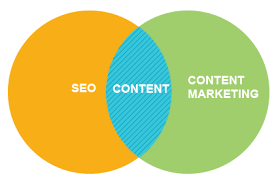
SEO & Visibility: Strategic content creation with relevant keywords and SEO best practices can improve your website’s search engine ranking, driving organic traffic and increasing visibility.
Key Elements of an Effective Strategy
Goal Setting: Define clear objectives for your content strategy, whether it’s increasing website traffic, generating leads, or enhancing brand awareness.
Audience Research: Conduct in-depth research to understand your target audience’s demographics, interests, behaviour patterns, and pain points to create tailored content that resonates with them.
Content Calendar: Plan a consistent schedule for creating and publishing content across different platforms to maintain audience engagement and build anticipation.
Multichannel Distribution: Utilise various online channels such as social media platforms, email marketing campaigns, blogs, videos, and podcasts to reach a wider audience and maximise exposure.
The Role of Analytics
Analytical tools play a crucial role in evaluating the performance of your digital marketing content strategy. By tracking key metrics such as website traffic, engagement rates, conversion rates, and ROI (Return on Investment), you can identify what works best for your brand and make data-driven decisions to optimise future strategies.
In Conclusion
A well-crafted digital marketing content strategy is not just about creating compelling content but also about delivering the right message to the right audience at the right time. By incorporating strategic planning, audience insights, creativity,and analytics into your approach,you can elevate your brand’s online presence,differentiate yourself from competitors,and achieve tangible results in today’s competitive digital landscape.
7 Essential Tips for Crafting an Effective Digital Marketing Content Strategy
- Understand your target audience and their preferences.
- Create high-quality and engaging content that provides value to your audience.
- Consistently post content to maintain audience engagement.
- Utilise various types of content such as videos, infographics, and blogs.
- Optimise your content for search engines (SEO) to increase visibility.
- Promote your content across different digital channels to reach a wider audience.
- Analyse data and metrics to measure the effectiveness of your content strategy and make necessary adjustments.
Understand your target audience and their preferences.
Understanding your target audience and their preferences is a fundamental tip in digital marketing content strategy. By delving deep into the demographics, behaviour patterns, interests, and pain points of your audience, you can create tailored content that resonates with them on a personal level. This insight allows you to craft compelling messages that address their needs and desires, ultimately leading to higher engagement, increased brand loyalty, and improved conversion rates. Tailoring your content to meet the specific preferences of your target audience ensures that your digital marketing efforts are not only effective but also impactful in establishing meaningful connections with your customers.
Create high-quality and engaging content that provides value to your audience.
Creating high-quality and engaging content that offers genuine value to your audience is the cornerstone of a successful digital marketing content strategy. By focusing on delivering relevant and insightful information, businesses can build trust, establish credibility, and foster long-lasting relationships with their target demographic. Valuable content not only attracts attention but also encourages audience engagement, drives conversions, and ultimately contributes to the overall success of a brand’s online presence.
Consistently post content to maintain audience engagement.
To maintain audience engagement in digital marketing, it is crucial to consistently post high-quality and relevant content across various online platforms. By regularly sharing valuable information, updates, and insights with your audience, you can keep them interested and connected to your brand. Consistency in posting not only helps to establish a strong online presence but also reinforces brand visibility and loyalty. Remember, staying active and engaging with your audience through consistent content delivery is key to building lasting relationships and driving success in the digital landscape.
Utilise various types of content such as videos, infographics, and blogs.
To maximise the effectiveness of your digital marketing content strategy, it is essential to leverage a diverse range of content formats. Incorporating videos, infographics, and blogs into your content mix can significantly enhance audience engagement and retention. Videos offer a dynamic and visual way to convey information, while infographics present complex data in a visually appealing format. Blogs provide an opportunity for in-depth exploration of topics and help establish thought leadership within your industry. By utilising these various types of content, you can cater to different audience preferences and capture attention across multiple online platforms effectively.
Optimise your content for search engines (SEO) to increase visibility.
To enhance the visibility of your digital marketing content, it is essential to optimise it for search engines (SEO). By incorporating relevant keywords, meta tags, and high-quality backlinks, you can improve your website’s search engine ranking and attract organic traffic. SEO not only boosts your content’s discoverability but also ensures that it reaches the right audience at the right time, ultimately driving higher engagement and conversions. Implementing SEO best practices in your content strategy is a strategic way to maximise online visibility and establish a strong digital presence in today’s competitive landscape.
Promote your content across different digital channels to reach a wider audience.
To enhance the reach and impact of your digital marketing content strategy, it is vital to promote your content across a diverse range of digital channels. By leveraging various platforms such as social media, email marketing, blogs, videos, and podcasts, you can effectively engage with a broader audience and increase visibility for your brand. This multichannel approach not only maximises exposure but also allows you to tailor your message to suit the preferences of different audience segments, ultimately driving greater engagement and conversions.
Analyse data and metrics to measure the effectiveness of your content strategy and make necessary adjustments.
To ensure the success of your digital marketing content strategy, it is essential to analyse data and metrics meticulously. By measuring key performance indicators such as website traffic, engagement rates, conversion rates, and ROI, you can gain valuable insights into the effectiveness of your content efforts. This data-driven approach allows you to identify areas of improvement, understand what resonates with your audience, and make informed decisions to optimise your strategy for better results. Continuous monitoring and adjustment based on analytics not only enhance the impact of your content but also help you stay agile and responsive in the ever-evolving digital landscape.