The Power of Search Content Marketing
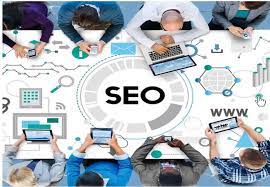
In today’s digital landscape, where information is just a click away, search content marketing has emerged as a powerful tool for businesses to connect with their target audience. By strategically crafting content that is not only engaging but also optimised for search engines, companies can enhance their online visibility and attract quality traffic to their websites.
Search content marketing involves creating valuable and relevant content that resonates with users’ search queries. This type of content is designed to address the needs and interests of the target audience while also incorporating relevant keywords to improve search engine rankings.
Benefits of Search Content Marketing:
- Increased Visibility: By creating high-quality content that ranks well on search engine results pages (SERPs), businesses can increase their online visibility and reach a wider audience.
- Enhanced Brand Authority: Consistently producing valuable and informative content helps establish a company as an authority in its industry, building trust with customers.
- Lead Generation: Search-optimised content can attract qualified leads who are actively searching for products or services related to the business, leading to higher conversion rates.
- Improved User Experience: Content that is tailored to users’ search intent not only attracts visitors but also keeps them engaged, providing a positive user experience.
In conclusion, search content marketing is an essential component of any digital marketing strategy. By creating compelling content that aligns with both user intent and search algorithms, businesses can drive organic traffic, boost brand visibility, and ultimately achieve their marketing goals in a competitive online environment.
Top 20 FAQs on Search Content Marketing: Understanding SEO, SEM, and Effective Strategies
- What is content marketing and SEO?
- What are the examples of search marketing?
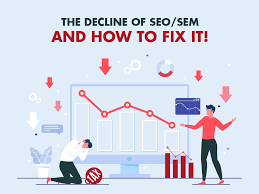
- Is SEO worth it anymore?
- What is an example of search marketing?
- What is searchable content?
- What are the 4 types of SEO?
- What do you mean by search marketing?
- What are the 4 main categories of content marketing?
- What is search marketing?
- How is SEO used in marketing?
- What are the 4 types of marketing content?
- What is search marketing an example of?
- What are the types of search marketing?
- What is SEO vs SEM?
- What is SEO content vs content marketing?
- What are the 3 C’s of SEO?
- How do I make content searchable?
- What is the difference between SEO and SEM?
- What is SEO and content marketing?
- What are the 7 steps of content marketing?
What is content marketing and SEO?
Content marketing and SEO (Search Engine Optimization) are two closely related strategies that work hand in hand to improve a website’s online visibility and drive organic traffic. Content marketing involves creating and distributing valuable, relevant, and consistent content to attract and retain a clearly defined audience. On the other hand, SEO focuses on optimising a website’s content, structure, and technical elements to rank higher in search engine results pages for specific keywords or queries. Together, content marketing and SEO form a powerful duo that not only enhances a website’s search engine rankings but also engages users with valuable information that meets their needs and interests. By combining these strategies effectively, businesses can increase brand awareness, generate leads, and ultimately achieve their digital marketing objectives in an increasingly competitive online landscape.
What are the examples of search marketing?
When exploring the realm of search content marketing, examples of search marketing strategies include search engine optimisation (SEO), pay-per-click (PPC) advertising, content marketing, social media marketing, and email marketing. SEO focuses on improving a website’s visibility in organic search results by optimising content and technical aspects. PPC advertising involves bidding on keywords to display ads on search engine results pages. Content marketing aims to create valuable and relevant content to attract and engage audiences. Social media marketing leverages social platforms to promote content and engage with users. Email marketing utilises email campaigns to nurture leads and drive conversions. These diverse examples of search marketing strategies showcase the multifaceted approach businesses can take to enhance their online presence and reach their target audience effectively.
Is SEO worth it anymore?
In the realm of digital marketing, the question of whether SEO is still worth investing in remains a common concern for many businesses. Despite the ever-evolving landscape of search algorithms and online competition, SEO continues to hold significant value in driving organic traffic and improving online visibility. By implementing effective SEO strategies that align with current best practices and user trends, businesses can still achieve sustainable results in terms of search engine rankings, website traffic, and overall brand exposure. Therefore, while the SEO landscape may change, the importance of optimising content for search engines remains a crucial aspect of any comprehensive digital marketing strategy.
What is an example of search marketing?
An example of search marketing is when a company uses pay-per-click (PPC) advertising to promote its products or services on search engine results pages (SERPs). For instance, when a user searches for a specific keyword related to the company’s offerings, the company’s ad may appear at the top or bottom of the search results. By bidding on relevant keywords and creating compelling ad copy, businesses can target their desired audience and drive traffic to their website through search marketing strategies. This approach allows companies to reach potential customers who are actively searching for products or services similar to what they offer, making it a cost-effective and targeted marketing tactic in today’s digital landscape.
What is searchable content?
Searchable content refers to online material that is specifically crafted and optimised to be easily discoverable through search engines. This type of content is strategically designed to align with popular search queries and keywords, making it more likely to appear in search engine results pages (SERPs). By incorporating relevant terms and phrases that users commonly search for, searchable content aims to improve visibility, attract organic traffic, and enhance the overall online presence of a website or digital platform. In essence, searchable content plays a crucial role in search content marketing by ensuring that valuable information reaches the right audience at the right time.
What are the 4 types of SEO?
When exploring the realm of search content marketing, a common query that arises is, “What are the 4 types of SEO?” Search Engine Optimization (SEO) encompasses various strategies to enhance a website’s visibility on search engine results pages. The four main types of SEO include on-page SEO, off-page SEO, technical SEO, and local SEO. On-page SEO focuses on optimizing individual web pages with relevant content and keywords. Off-page SEO involves building external links and enhancing the website’s authority. Technical SEO deals with site structure and performance improvements, while local SEO targets geographically specific searches. Understanding these distinct types of SEO is crucial for developing a comprehensive search content marketing strategy that drives organic traffic and boosts online presence effectively.
What do you mean by search marketing?
Search marketing refers to the strategic approach of promoting a business, product, or service through search engines. It encompasses various techniques such as search engine optimisation (SEO) and pay-per-click (PPC) advertising to increase visibility and drive traffic from search engine results pages. In essence, search marketing aims to enhance a brand’s online presence by ensuring that it appears prominently in relevant search queries, thereby attracting potential customers who are actively seeking information or solutions related to the business offerings. This targeted and data-driven approach plays a crucial role in digital marketing strategies, helping businesses connect with their target audience effectively in the competitive online landscape.
What are the 4 main categories of content marketing?
In the realm of content marketing, there are four main categories that businesses commonly utilise to engage their audience and drive results. These categories include informational content, educational content, entertaining content, and inspirational content. Informational content aims to provide valuable insights and facts to the audience, while educational content focuses on teaching and guiding readers on specific topics. Entertaining content seeks to captivate and amuse the audience, often through storytelling or humour. Lastly, inspirational content aims to motivate and inspire readers, encouraging them to take action or see things from a new perspective. By strategically incorporating these categories into their content marketing strategies, businesses can effectively connect with their target audience and achieve their marketing objectives.
What is search marketing?
Search marketing, also known as search engine marketing (SEM), encompasses a range of strategies and techniques aimed at increasing a website’s visibility on search engine results pages (SERPs). At its core, search marketing involves both search engine optimisation (SEO) to improve organic rankings and pay-per-click (PPC) advertising to target specific keywords through paid placements. By leveraging these approaches effectively, businesses can enhance their online presence, attract relevant traffic, and ultimately drive conversions. Search marketing plays a crucial role in ensuring that a website is easily discoverable by users searching for related products or services, making it an indispensable component of any comprehensive digital marketing strategy.
How is SEO used in marketing?
SEO, or Search Engine Optimization, plays a crucial role in marketing by enhancing a website’s visibility and ranking on search engine results pages. By strategically incorporating relevant keywords, optimizing meta tags, improving site speed, and building quality backlinks, SEO helps businesses attract organic traffic and reach their target audience effectively. Essentially, SEO ensures that a website is structured and designed in a way that search engines can easily crawl and index its content, ultimately leading to increased online visibility, brand awareness, and potential customer engagement.
What are the 4 types of marketing content?
In the realm of search content marketing, understanding the four types of marketing content is crucial for creating a well-rounded and effective strategy. The four main types of marketing content include informational content, educational content, entertaining content, and persuasive content. Informational content aims to provide valuable information to the audience, educational content focuses on teaching and guiding users, entertaining content seeks to engage and captivate viewers, while persuasive content aims to influence and convince readers towards a desired action. By utilising a combination of these content types strategically, businesses can tailor their messaging to different stages of the customer journey and effectively engage with their target audience.
What is search marketing an example of?
Search marketing is an example of a targeted digital marketing strategy that focuses on enhancing a brand’s online visibility and driving traffic through search engine platforms. By utilising tactics such as search engine optimisation (SEO) and pay-per-click (PPC) advertising, search marketing aims to connect businesses with users actively seeking relevant information, products, or services online. This strategic approach enables companies to reach their target audience effectively and improve their overall online presence, ultimately leading to increased website traffic and potential conversions.
What are the types of search marketing?
When exploring the realm of search content marketing, one common query that arises is, “What are the types of search marketing?” Search marketing encompasses various strategies aimed at improving a brand’s visibility in search engine results. The primary types include search engine optimisation (SEO), pay-per-click advertising (PPC), and local search marketing. SEO focuses on enhancing organic search visibility through on-page and off-page tactics, while PPC involves paid advertisements displayed on search engine results pages. Local search marketing targets geographically specific audiences to drive foot traffic and online engagement. Understanding these different types of search marketing allows businesses to tailor their strategies effectively and maximise their online presence.
What is SEO vs SEM?
When delving into the realm of search content marketing, a common query that arises is the distinction between SEO and SEM. Search Engine Optimization (SEO) focuses on enhancing a website’s organic visibility in search engine results by optimising content, meta tags, and back-end elements. On the other hand, Search Engine Marketing (SEM) involves paid strategies like pay-per-click advertising to increase a website’s visibility in search engine results pages. While SEO aims for long-term sustainable growth, SEM provides immediate visibility through paid placements. Understanding the nuances between SEO and SEM is crucial for crafting a comprehensive search content marketing strategy that maximises online presence and drives targeted traffic to websites.
What is SEO content vs content marketing?
When comparing SEO content to content marketing, it’s important to understand the distinct roles each plays in the digital landscape. SEO content primarily focuses on creating content that is optimised for search engines, with a strong emphasis on incorporating relevant keywords and technical elements to improve visibility and ranking on search engine results pages. On the other hand, content marketing encompasses a broader strategy that involves creating valuable, engaging content to attract and retain a specific audience, ultimately driving profitable customer action. While SEO content is a crucial component of content marketing, the latter encompasses a more holistic approach that aims to build brand awareness, establish authority, and foster long-term relationships with customers through strategic storytelling and targeted messaging.
What are the 3 C’s of SEO?
When it comes to understanding the fundamentals of SEO, the concept of the 3 C’s plays a crucial role. The 3 C’s of SEO refer to Content, Code, and Connectivity. Content emphasises the importance of creating high-quality and relevant content that resonates with both users and search engines. Code focuses on the technical aspects of a website, such as optimising meta tags, headings, and URLs for better search engine visibility. Connectivity underscores the significance of building a strong network of backlinks from reputable websites to improve a site’s authority and ranking in search results. By incorporating these 3 C’s into an SEO strategy, businesses can enhance their online presence and attract organic traffic effectively.
How do I make content searchable?
To make content searchable effectively, it is crucial to understand and implement key strategies that enhance its visibility on search engines. Start by conducting thorough keyword research to identify relevant terms and phrases that your target audience is likely to use when searching for content like yours. Incorporate these keywords strategically throughout your content, including in titles, headings, meta descriptions, and body text. Organise your content with clear structure and formatting to make it easy for search engine crawlers to index and understand. Additionally, consider implementing schema markup to provide search engines with detailed information about your content. Regularly updating and promoting your content through various channels can also help improve its searchability over time.
What is the difference between SEO and SEM?
When discussing search content marketing, a common query that often arises is the distinction between SEO (Search Engine Optimization) and SEM (Search Engine Marketing). While both strategies aim to improve a website’s visibility on search engine results pages, they differ in their approaches. SEO focuses on optimizing organic search results through techniques such as keyword research, content creation, and on-page optimization. On the other hand, SEM involves paid advertising efforts, such as pay-per-click (PPC) campaigns and sponsored listings, to increase a website’s visibility in search engine results. Understanding the nuances between SEO and SEM is crucial for businesses looking to enhance their online presence and drive targeted traffic to their websites effectively.
What is SEO and content marketing?
SEO and content marketing are two closely intertwined strategies that work hand in hand to improve a website’s visibility and attract organic traffic. SEO, which stands for Search Engine Optimization, involves optimizing a website’s content, structure, and technical elements to rank higher in search engine results pages. On the other hand, content marketing focuses on creating valuable and relevant content to engage users and drive conversions. When combined effectively, SEO and content marketing can significantly enhance a website’s online presence, increase brand awareness, and ultimately drive business growth by attracting qualified leads through organic search.
What are the 7 steps of content marketing?
In the realm of content marketing, understanding the seven crucial steps can pave the way for a successful strategy. These steps typically involve defining goals and target audience, conducting research to identify relevant topics, creating engaging and valuable content, optimizing content for search engines, promoting content through various channels, measuring performance metrics to evaluate success, and iterating based on insights gained. By following these strategic steps diligently, businesses can enhance their online presence, attract and retain customers, and ultimately achieve their marketing objectives effectively.