The Power of Content Marketing for Ecommerce Sites
Content marketing has become a crucial strategy for ecommerce sites looking to attract, engage, and retain customers in a highly competitive online landscape. By creating valuable and relevant content, ecommerce businesses can not only drive traffic to their websites but also build brand awareness, establish authority in their niche, and ultimately increase conversions.
Enhancing SEO Performance
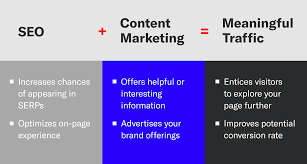
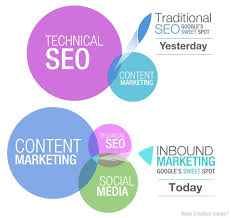
Creating high-quality content such as blog posts, product descriptions, how-to guides, and videos can significantly improve a website’s search engine optimisation (SEO) performance. By incorporating relevant keywords and providing valuable information that addresses the needs of your target audience, you can boost your site’s visibility in search engine results pages.
Building Trust and Credibility
Effective content marketing helps ecommerce sites build trust and credibility with their audience. By providing informative and engaging content that educates and entertains users, businesses can position themselves as industry experts and thought leaders. This trust factor plays a crucial role in influencing purchasing decisions and fostering long-term customer loyalty.
Driving Traffic and Engagement
Compelling content has the power to drive organic traffic to ecommerce sites through various channels such as social media, email newsletters, and search engines. By creating shareable content that resonates with your target audience, you can increase brand visibility, generate leads, and encourage user engagement with your products or services.
Showcasing Products Creatively
Content marketing allows ecommerce businesses to showcase their products or services creatively through visual storytelling, user-generated content, product reviews, and interactive experiences. By highlighting the unique features and benefits of your offerings in an engaging manner, you can capture the attention of potential customers and persuade them to make a purchase.
Personalising the Customer Experience
Personalised content tailored to the preferences and behaviours of individual customers can enhance the overall shopping experience on ecommerce sites. By leveraging data analytics and segmentation strategies, businesses can deliver targeted content recommendations, personalised offers, and customised product suggestions that resonate with each customer on a personal level.
In Conclusion
Content marketing is a powerful tool for ecommerce sites seeking to differentiate themselves in a crowded marketplace. By creating valuable content that educates, inspires, and entertains users throughout their buying journey, businesses can forge meaningful connections with their audience, drive sales growth, and cultivate brand loyalty in the digital age.
Six Key Benefits of Content Marketing for E-commerce Sites: Boosting SEO, Trust, Traffic, and Conversions
- Enhances SEO performance and increases website visibility in search engine results.
- Builds trust and credibility with the audience, positioning the ecommerce site as an industry expert.
- Drives organic traffic through engaging content shared on various channels like social media and email newsletters.
- Showcases products creatively through visual storytelling, user-generated content, and product reviews.
- Personalises the customer experience by delivering tailored content based on individual preferences and behaviours.
- Increases brand awareness, establishes authority in the niche, and boosts conversions by providing valuable information to customers.
Challenges of Content Marketing for E-commerce: Time, Cost, Saturation, ROI Uncertainty, and Continuous Updates
- 1. Time-Consuming
- 2. Costly Investment
- 3. Content Saturation
- 4. Uncertain ROI
- 5. Constant Content Updates
Enhances SEO performance and increases website visibility in search engine results.
By leveraging content marketing strategies, ecommerce sites can significantly enhance their SEO performance and improve their visibility in search engine results. By creating relevant and valuable content that incorporates targeted keywords and addresses the needs of their audience, businesses can climb the search engine rankings and attract more organic traffic to their websites. This increased visibility not only drives more potential customers to the site but also establishes the brand as a credible authority in its industry, ultimately leading to higher conversion rates and sustained online growth.
Builds trust and credibility with the audience, positioning the ecommerce site as an industry expert.
One significant benefit of content marketing for ecommerce sites is its ability to build trust and credibility with the audience, positioning the site as an industry expert. By consistently providing valuable and informative content that addresses the needs and interests of potential customers, ecommerce businesses can establish themselves as trusted sources of knowledge within their niche. This helps create a strong bond of trust with the audience, instilling confidence in the brand and its offerings, ultimately leading to increased brand loyalty and customer engagement.
Drives organic traffic through engaging content shared on various channels like social media and email newsletters.
One significant advantage of content marketing for ecommerce sites is its ability to drive organic traffic by creating engaging content that is shared across multiple channels, including social media and email newsletters. By crafting compelling and valuable content that resonates with the target audience, ecommerce businesses can attract users to their websites without relying solely on paid advertising. This organic approach not only increases brand visibility but also fosters meaningful interactions with potential customers, ultimately leading to higher conversion rates and long-term customer loyalty.
Showcases products creatively through visual storytelling, user-generated content, and product reviews.
One significant advantage of content marketing for ecommerce sites is its ability to showcase products creatively through various means such as visual storytelling, user-generated content, and product reviews. By utilising compelling visuals, engaging narratives, and authentic user experiences, businesses can effectively highlight the unique features and benefits of their products or services. This creative approach not only captures the attention of potential customers but also builds trust and credibility by providing valuable insights and social proof that can influence purchasing decisions.
Personalises the customer experience by delivering tailored content based on individual preferences and behaviours.
One significant advantage of content marketing for ecommerce sites is its ability to personalise the customer experience. By analysing individual preferences and behaviours, businesses can create tailored content that resonates with each customer on a personal level. This personalised approach not only enhances user engagement but also increases the likelihood of conversions by delivering relevant and targeted content that meets the specific needs and interests of each customer.
Increases brand awareness, establishes authority in the niche, and boosts conversions by providing valuable information to customers.
Content marketing for ecommerce sites offers a significant advantage by enhancing brand awareness, establishing authority within the industry, and boosting conversion rates through the delivery of valuable information to customers. By consistently providing relevant and engaging content that addresses the needs and interests of their target audience, ecommerce businesses can not only increase visibility and credibility but also drive more conversions as customers perceive them as trusted sources of information in their niche.
1. Time-Consuming
One significant drawback of content marketing for ecommerce sites is its time-consuming nature. Crafting compelling and high-quality content demands a considerable amount of time and effort, posing a challenge for businesses operating with limited resources. From researching and ideating to creating and optimising content, the process can be intensive and may strain the capacity of smaller ecommerce enterprises, impacting their ability to consistently produce engaging material that resonates with their target audience.
2. Costly Investment
One notable drawback of content marketing for ecommerce sites is the substantial financial investment required. Developing a robust content marketing strategy entails expenses associated with producing compelling visuals, videos, and other multimedia content that can captivate and engage the target audience. These costs can quickly add up, especially for smaller ecommerce businesses with limited budgets, making it challenging to sustain a consistent flow of high-quality content that resonates with customers and drives conversions.
3. Content Saturation
In the realm of content marketing for ecommerce sites, one significant challenge is the issue of content saturation. In today’s digital landscape, where an overwhelming amount of online content competes for consumers’ attention, breaking through the noise and distinguishing oneself from competitors can prove to be a daunting task. With the constant influx of information bombarding users from all directions, maintaining relevance and capturing audience interest through content marketing strategies requires a careful balance of creativity, innovation, and strategic planning to ensure that a brand’s message resonates effectively with its target audience amidst the sea of online content.
4. Uncertain ROI
One significant drawback of content marketing for ecommerce sites is the uncertainty surrounding Return on Investment (ROI). Determining the direct influence of content marketing efforts on sales and conversions can be a complex and challenging task. The intricate nature of tracking and measuring the exact impact of content initiatives on financial outcomes may result in an unclear ROI evaluation for ecommerce businesses, making it difficult to assess the effectiveness and efficiency of their content marketing strategies accurately.
5. Constant Content Updates
One significant drawback of content marketing for ecommerce sites is the demand for constant content updates. Ecommerce websites must continuously refresh their content to stay relevant and maintain optimal SEO performance. This ongoing need for fresh and engaging material necessitates a consistent effort in creating, managing, and updating content to ensure that the site remains competitive and continues to attract and retain customers effectively. Failure to keep up with these regular updates can result in a decline in search engine visibility and user engagement, impacting the overall success of the ecommerce business.