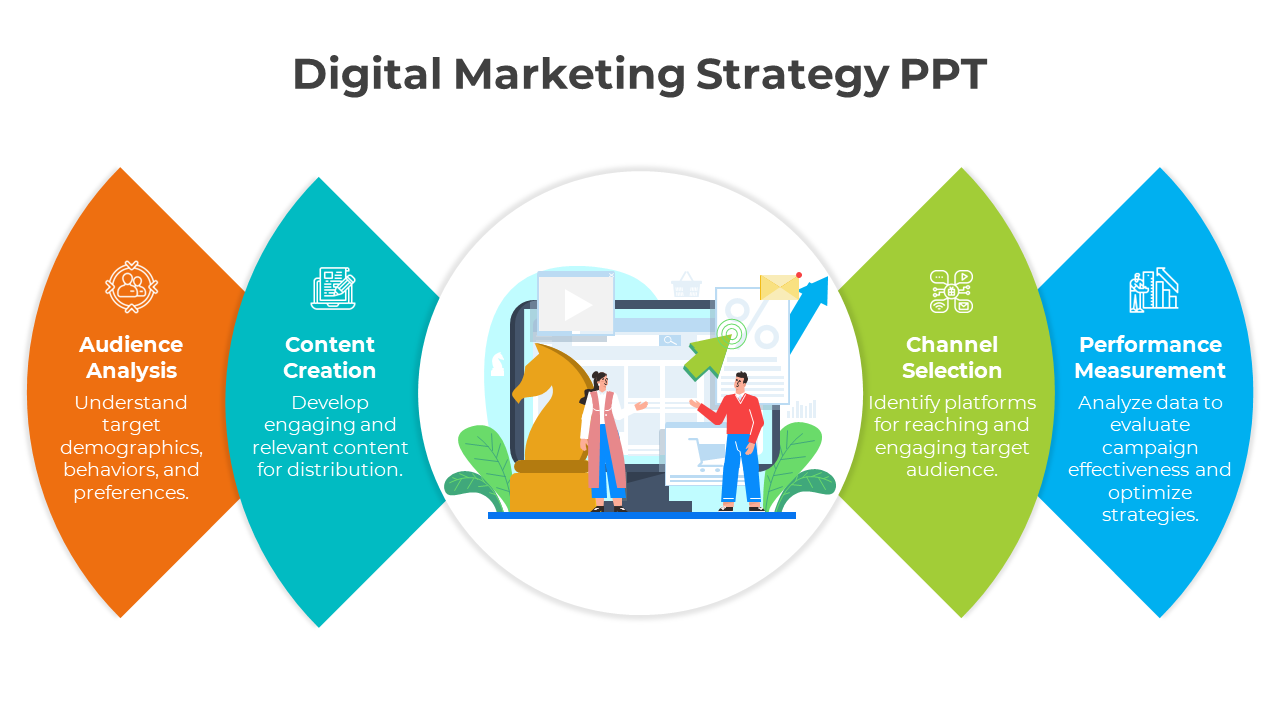
The Power of Digital Marketing Content Marketing Strategy
In today’s digital age, where information is abundant and attention spans are fleeting, crafting a robust content marketing strategy is essential for any business looking to thrive online. Digital marketing content strategy goes beyond creating random posts or ads; it involves a carefully planned approach to deliver valuable, relevant, and consistent content to attract and retain a clearly defined audience.
Understanding the Basics
Content marketing is about storytelling. It’s about creating compelling narratives that resonate with your target audience and drive them to take action. Whether it’s through blog posts, social media updates, videos, or email campaigns, the goal is to engage users in a meaningful way and build trust over time.
The Role of SEO
Search engine optimisation (SEO) plays a crucial role in digital marketing content strategy. By incorporating relevant keywords, optimising meta tags, and creating high-quality content that aligns with user search intent, businesses can improve their visibility on search engine results pages (SERPs) and attract organic traffic.
Personalisation and Targeting
One of the key advantages of digital marketing is the ability to personalise content based on user preferences and behaviours. By leveraging data analytics and user insights, businesses can tailor their messaging to specific segments of their audience, increasing relevance and engagement.
Measuring Success
An effective digital marketing content strategy is not complete without proper measurement and analysis. By tracking key performance indicators (KPIs) such as website traffic, conversion rates, social engagement metrics, and more, businesses can evaluate the success of their campaigns and make data-driven decisions for future improvements.
Conclusion
In conclusion, a well-crafted digital marketing content strategy is the cornerstone of any successful online presence. By delivering valuable content that resonates with your audience, optimising for search engines, personalising messaging, and analysing performance metrics, businesses can create meaningful connections with their customers and drive sustainable growth in the digital landscape.
Six Essential Tips for an Effective Digital Content Marketing Strategy
- Understand your target audience to create relevant content
- Consistently produce high-quality and engaging content
- Utilise various types of content such as blogs, videos, infographics, etc.
- Optimise your content for search engines (SEO)
- Promote your content across different online channels
- Analyse data and feedback to continuously improve your strategy
Understand your target audience to create relevant content
Understanding your target audience is the cornerstone of a successful digital marketing content strategy. By delving deep into the demographics, preferences, and behaviours of your audience, you can tailor your content to resonate with their needs and interests. Creating relevant content that speaks directly to your target audience not only enhances engagement but also builds trust and loyalty over time. By putting in the effort to understand who you are speaking to, you can craft compelling narratives that truly connect with your audience on a personal level, driving meaningful results for your business.
Consistently produce high-quality and engaging content
In the realm of digital marketing content strategy, a crucial tip for success is to consistently produce high-quality and engaging content. By maintaining a regular cadence of valuable and compelling content across various digital channels, businesses can capture and retain the attention of their target audience. This approach not only helps in building brand credibility and trust but also boosts visibility and engagement, ultimately driving conversions and long-term customer loyalty.
Utilise various types of content such as blogs, videos, infographics, etc.
In the realm of digital marketing content strategy, it is crucial to diversify the types of content you utilise to engage your audience effectively. By incorporating a mix of blogs, videos, infographics, and other formats, you can cater to different preferences and consumption habits among your target demographic. Blogs offer in-depth information and establish thought leadership, while videos capture attention and convey messages visually. Infographics present data in a visually appealing way that is easy to digest. By leveraging a variety of content types, you can create a dynamic and engaging digital presence that resonates with your audience on multiple levels.
Optimise your content for search engines (SEO)
To maximise the visibility and reach of your digital marketing content, it is crucial to optimise it for search engines through effective SEO strategies. By incorporating relevant keywords, meta tags, and high-quality content that aligns with user search intent, you can improve your website’s ranking on search engine results pages (SERPs) and attract organic traffic. Optimising your content for SEO not only enhances its discoverability but also ensures that it resonates with your target audience, driving engagement and ultimately leading to conversions.
Promote your content across different online channels
To maximise the impact of your digital marketing content marketing strategy, it is crucial to promote your content across various online channels. By diversifying your promotional efforts and reaching out to different platforms such as social media, email newsletters, industry forums, and online communities, you can expand your reach and engage with a wider audience. This multi-channel approach not only increases visibility but also enhances brand awareness and drives traffic back to your website or landing pages, ultimately boosting conversions and achieving your marketing goals more effectively.
Analyse data and feedback to continuously improve your strategy
To enhance the effectiveness of your digital marketing content strategy, it is crucial to analyse data and feedback consistently. By closely monitoring key performance indicators and gathering insights from user interactions, businesses can identify trends, preferences, and areas for improvement. This data-driven approach enables organisations to adapt their strategies in real-time, refine their messaging to better resonate with their audience, and ultimately achieve greater success in engaging and converting customers online.